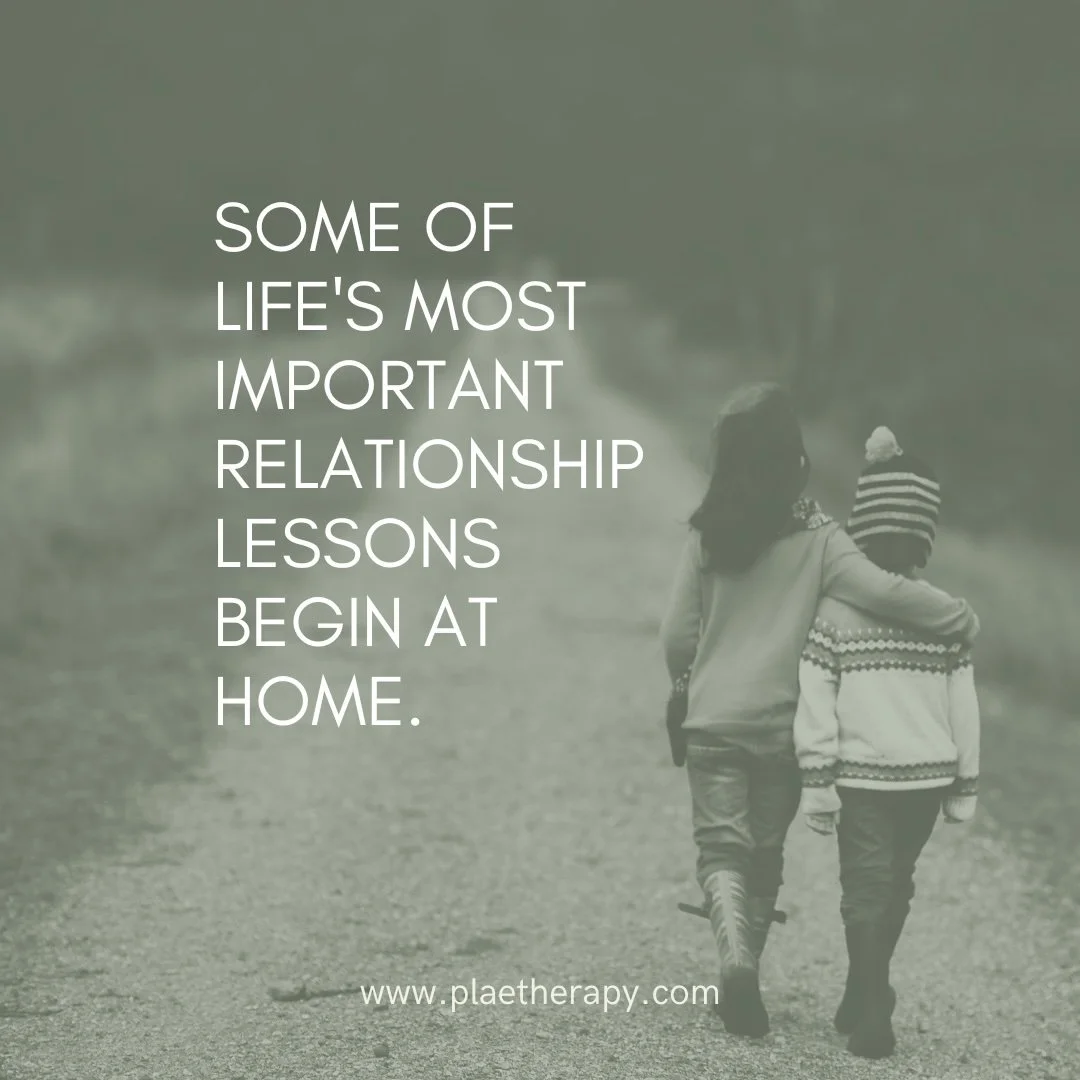
🌿 Why Sibling Relationships Matter More Than We Often Realize
🌿 Why Sibling Relationships Matter More Than We Often Realize
From a child development perspective, sibling relationships are among the most influential relationships of childhood. While parents and caregivers provide the foundation for attachment, safety, emotional regulation, and a sense of belonging,
siblings provide something uniquely different—they offer children daily opportunities to practice the relationship skills they will carry throughout life.
Unlike friendships that may come and go, siblings often share years of experiences, routines, celebrations, disappointments, and challenges together. These everyday interactions become a natural classroom for social and emotional development.
Conflict between siblings is not always a sign that something is wrong. In fact, developmentally appropriate conflict provides children with opportunities to build important skills when they are supported in learning how to navigate it. The goal isn't to prevent every disagreement, but to help children develop the tools to move through those moments with increasing confidence, empathy, flexibility, and respect.
Research in child development suggests that positive sibling relationships can support emotional well-being, social competence, resilience, and healthy relationship patterns throughout life. While every family experiences conflict, it is not the presence of conflict that predicts healthy relationships—it is the opportunity to learn, practice, and experience repair.
🌱 Through sibling relationships, children naturally begin learning how to:
Understand and regulate big emotions during moments of frustration and disappointment.
Communicate their needs, thoughts, and feelings more effectively.
Develop empathy by recognizing another person's thoughts, feelings, and perspective.
Negotiate, compromise, and solve problems collaboratively.
Practice healthy boundaries while learning to respect the boundaries of others.
Experience accountability and repair after conflict.
Build resilience by working through challenges instead of avoiding them.
Strengthen flexibility, patience, cooperation, and emotional awareness.
Develop confidence in navigating relationships with peers, teachers, future partners, colleagues, and eventually their own families.
🌿 The Power of Social Learning
Children are constantly learning by observing and interacting with the people around them. Psychologist Albert Bandura's Social Learning Theory reminds us that children develop many of their social and emotional skills through everyday experiences—watching, practicing, receiving feedback, and trying again. Sibling relationships provide hundreds of these learning opportunities each week.
Every shared toy, disagreement, compromise, apology, game, and moment of laughter becomes practice for life beyond the home. These repeated interactions help children gradually strengthen executive functioning skills such as impulse control,
flexible thinking, emotional regulation, perspective-taking, and decision-making. When children are supported through these experiences with guidance rather than punishment alone, they begin developing an internal understanding of how healthy relationships work.
Why Conflict Resolution Matters: Conflict resolution is not simply about stopping arguments. It is about teaching children the lifelong skills needed to maintain healthy relationships.
🌱 When children learn healthy conflict resolution, they begin to:
Conflict resolution is not simply about stopping arguments. It is about teaching children the lifelong skills needed to maintain healthy relationships.
When children learn healthy conflict resolution, they begin to:
Pause before reacting impulsively.
Identify and communicate their emotions with greater clarity.
Listen to understand another person's perspective.
Express disagreement respectfully.
Generate solutions that consider other’s needs.
Repair relationships after hurt or misunderstanding.
Build confidence that relationships can withstand challenges.
Develop emotional resilience instead of fearing conflict.
These skills extend far beyond childhood. They influence how children navigate friendships, participate in classrooms, collaborate with teammates, approach future romantic relationships, work alongside colleagues, and eventually parent the next generation.
As child and family therapists, we have the privilege of witnessing these developmental moments every day. We regularly support children as they discover that healthy relationships are not relationships without conflict—they are relationships where people learn to understand one another, communicate through challenges, repair after hurt, and reconnect with care. By helping children develop these skills early, we are not simply helping them have fewer sibling disagreements today. We are helping them build a relational foundation that can support healthier, more connected relationships throughout their lifetime
🌿 If this resonates with your family and a desire to deepen and support the sibling relationships within your home, , we would love to welcome your children to The Sibling Reset Challenge,.
This will be a two-session therapeutic workshop designed to help siblings strengthen connection while building practical relationship skills. The Sibling Reset Challenge, a two-session therapeutic workshop will be facilitated by Lindsay Drury, CMHC and Grace Miller, LCSW. Wednesdays, August 5 & August 12, 5:00–6:30 PM To learn more or register, visit www.plaetherapy.com, complete our Contact Form, and select "Event." 🌱
About the Author
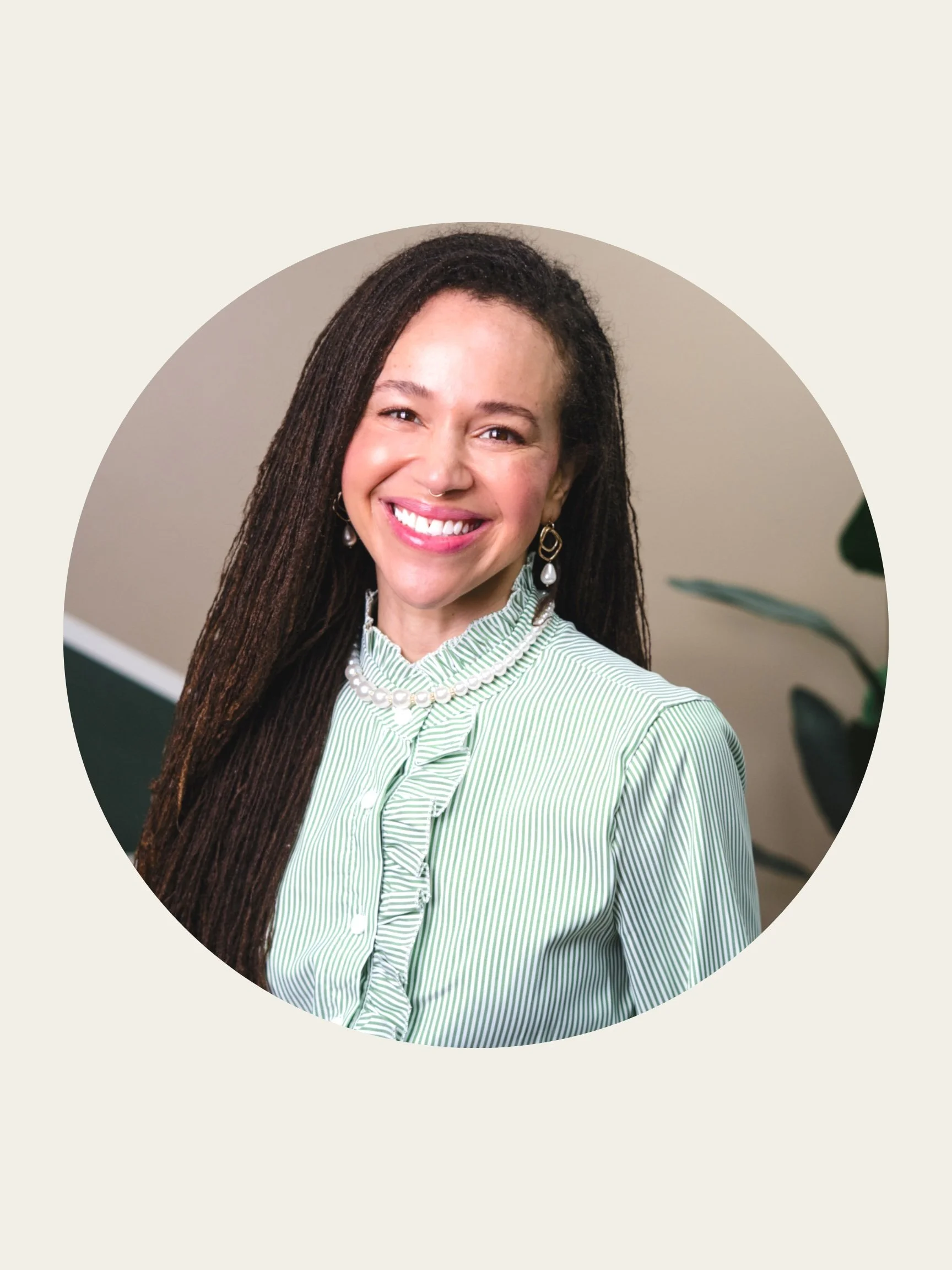
This was shared by Melanie DeLynne Davis, MS, CMHC, Founder and Clinical Director of PLAE Therapy.
About the Author: Melanie DeLynne Davis, MS, CMHC, Founder and Clinical Director of PLAE Therapy. For more than two decades, Melanie has had the privilege of supporting children, siblings, parents, and families as they navigate the joys and complexities of family relationships through attachment-centered, developmentally informed mental health care.
Her perspective is shaped not only by her work as a child and family therapist, but also by her own life. Melanie is raising three wonderful siblings of her own and has the lifelong perspective of being a sibling herself— she understands firsthand that sibling relationships can be filled with laughter, competition, growth, frustration, forgiveness, and countless opportunities to learn. Anyone with siblings knows there's never a shortage of life lessons!
It is this blend of professional knowledge, clinical experience, and personal appreciation for family life that continues to inspire her passion for helping children and families build relationships rooted in empathy, resilience, healthy communication, and lasting connection.