Adoption and Attachment: Understanding Trauma, Identity Development, and Cultivating Lasting, Embodied Emotional Well-Being
Our stories are not limited to the narratives and truths that accompany where they began…
Alongside our experiences, and at times deeply ingrained trauma, we can evolve into a deeply renewed sense of meaning and purpose—into contentment and comfort—through relational trust, guided by emotional attunement, and rooted in healing, wholeness, and deep, meaningful, and loving connection—where connection can be experienced without fear, and life can be lived in ways that are fully embodied, whole, and grounded in lasting, meaningful well-being.
“Through intentional self-discovery and identity development, we begin to gently explore the threads of our lived experiences—honoring the stories we carry, reconnecting with our cultural identity, and moving toward the integration of self. Healing is not about erasing where we began, but about creating meaningful connection to our experiences—restoring inner coherence, reclaiming authenticity, and allowing our stories to evolve into lives rooted in wholeness, trust, and embodied well-being.”
— Melanie D. Davis, MS LCMHC
Areas of Support
Adoptee Support
Clinical mental health counseling for adoptees across the lifespan, including support with identity development, attachment wounds, trauma, emotional regulation, and integration of lived experience.
Family System Support
Support for the full family system, including siblings and extended family, to better understand dynamics, strengthen relationships, and foster connection and stability.
Identity Development & Integration
Support in self-discovery, cultural identity exploration, narrative development, and integration of self—moving toward authenticity, coherence, and wholeness.
Reunification Guidance and Support
Trauma-informed guidance for individuals and families navigating reunification, supporting the emotional complexity, identity exploration, and relational dynamics before, during, and after reconnection.
Identity Development & Integration
Support in self-discovery, cultural identity exploration, narrative development, and integration of self—moving toward authenticity, coherence, and wholeness.
Adoptive Parent Support
Guidance for adoptive parents in understanding trauma, attachment, and the unique developmental and emotional needs of adoptees—supporting secure, attuned, and connected parent-child relationships.
Attachment & Relationship Support
Exploration of how attachment trauma shows up in friendships, romantic relationships, and community, with guidance in building secure, meaningful, and lasting connections.
Trauma & Nervous System Integration
Understanding how trauma lives in the body and nervous system, with support for emotional regulation, somatic awareness, and building a felt sense of safety.
Biological Family Navigation
Support in navigating complex biological family relationships, including identity, belonging, grief, and the layered nature of connection and distance.
Trauma & Nervous System Integration
Understanding how trauma lives in the body and nervous system, with support for emotional regulation, somatic awareness, and building a felt sense of safety.
Joy
.
Connection
.
Safety
.
Regulation
.
Attunement
.
Belonging
.
Trust
.
Nervous system regulation
.
Repatterning
.
Relational healing
.
Alignment
.
Integration of mind and body
.
Joy . Connection . Safety . Regulation . Attunement . Belonging . Trust . Nervous system regulation . Repatterning . Relational healing . Alignment . Integration of mind and body .
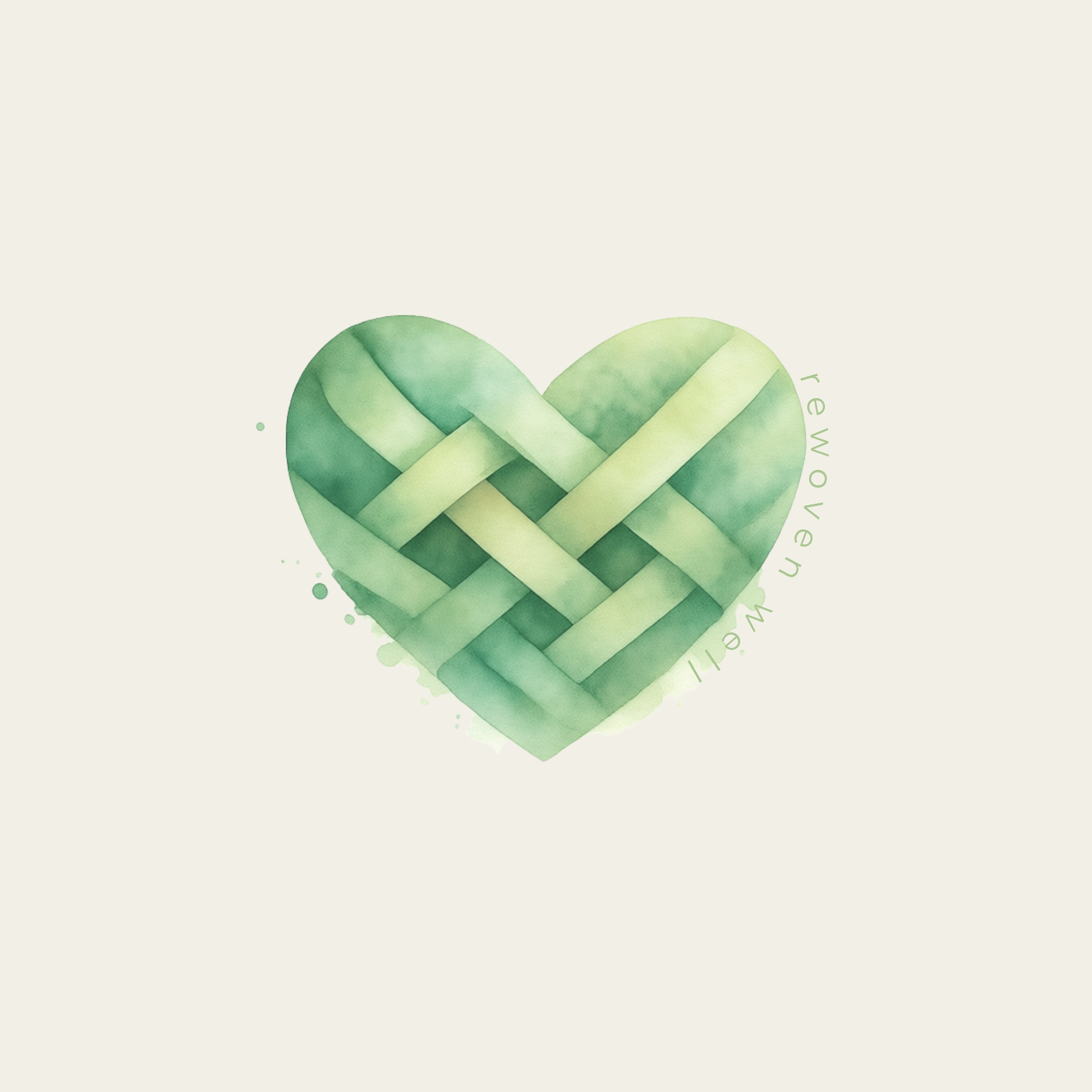
Melanie’s Story
Melanie D. Davis brings a deeply personal and lived understanding to this work—one that began long before her clinical training.
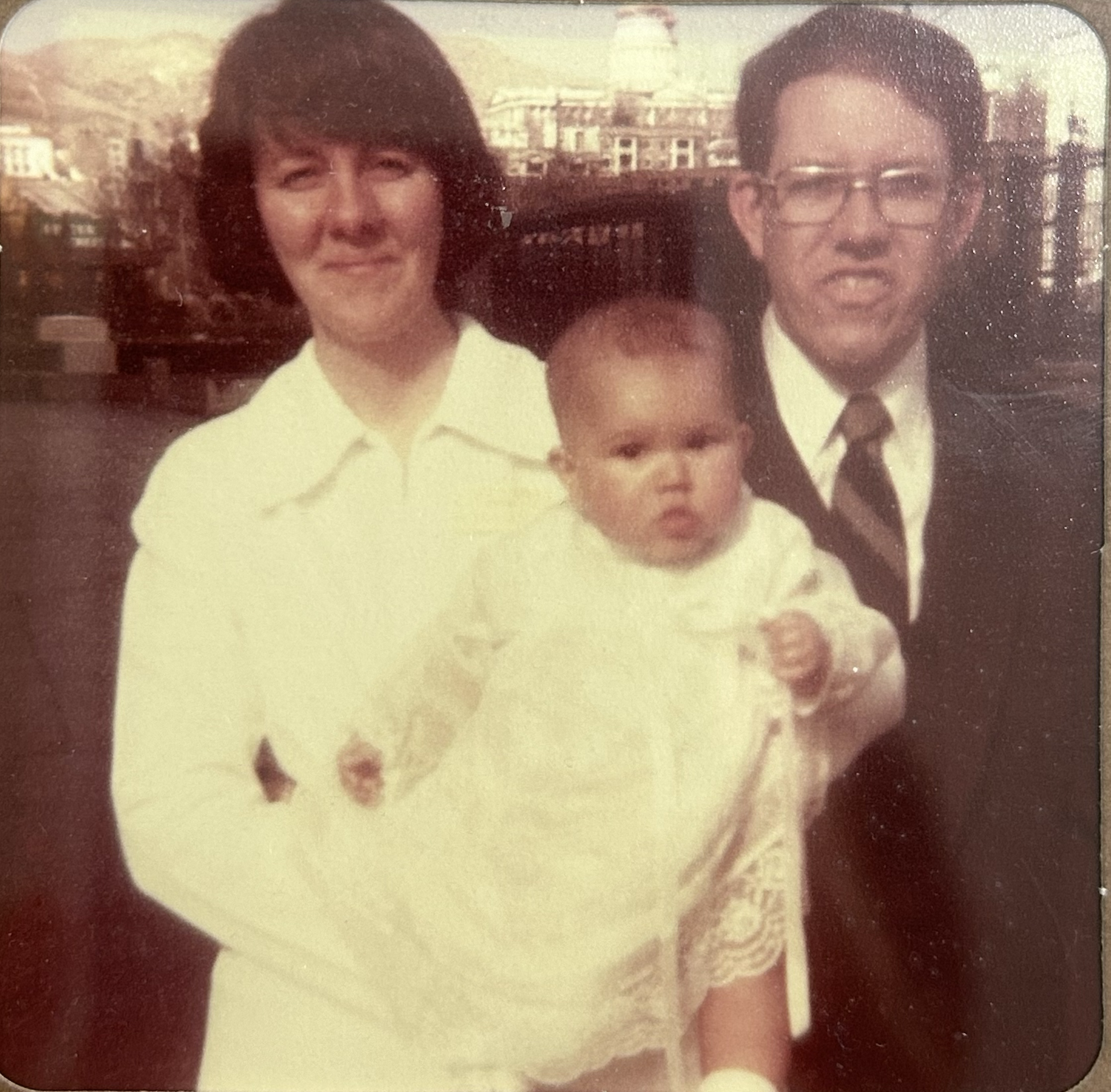
Melanie was born in an Illinois hospital and spent the earliest part of her life in pre-adoptive placements as “Baby.” Listed that way on her birth certificate, she entered the world without a name—held in the space between beginnings, before her story had words. A few months into her life, she was brought to Utah and placed for adoption through a local agency into a family who had been waiting to welcome a baby.
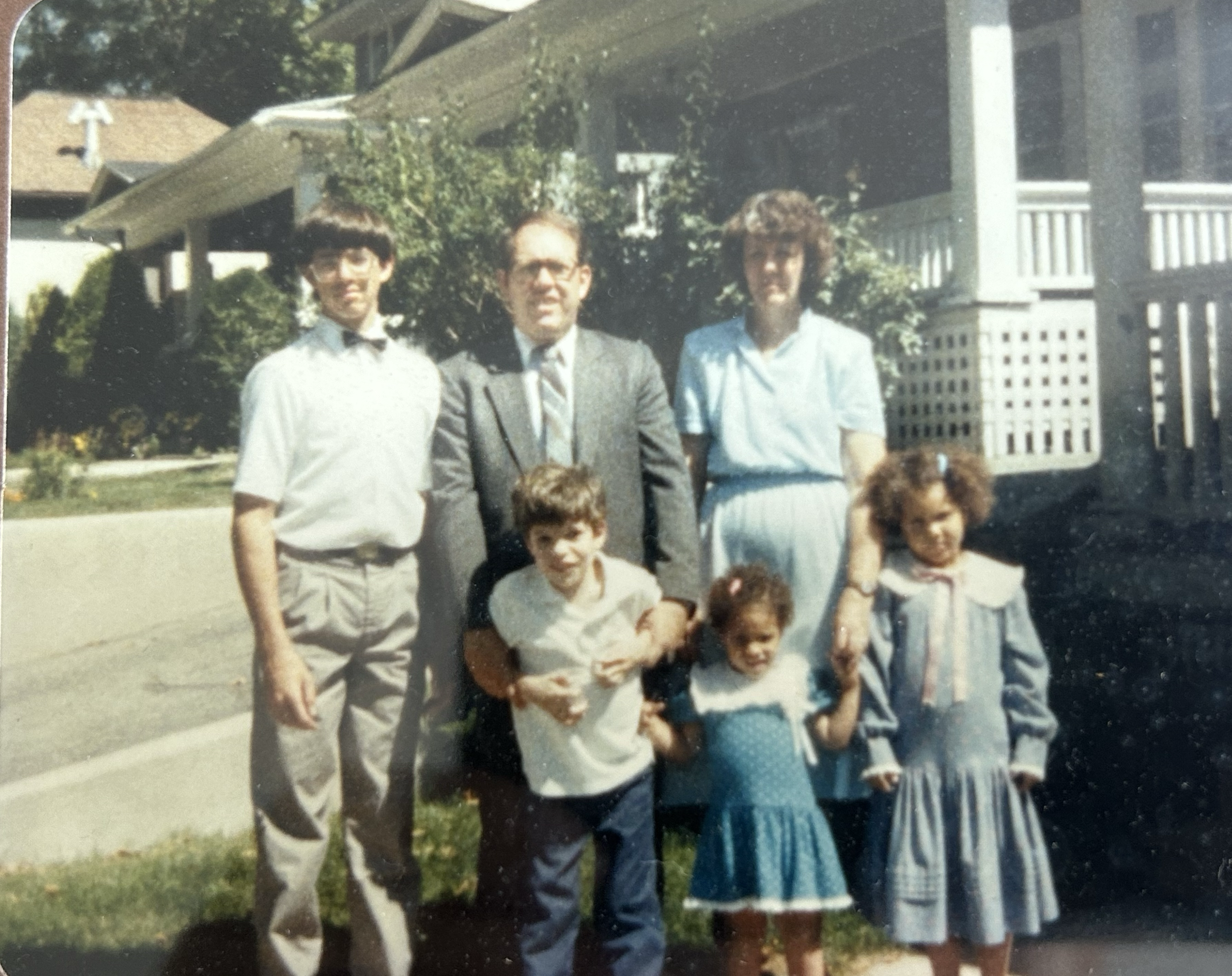
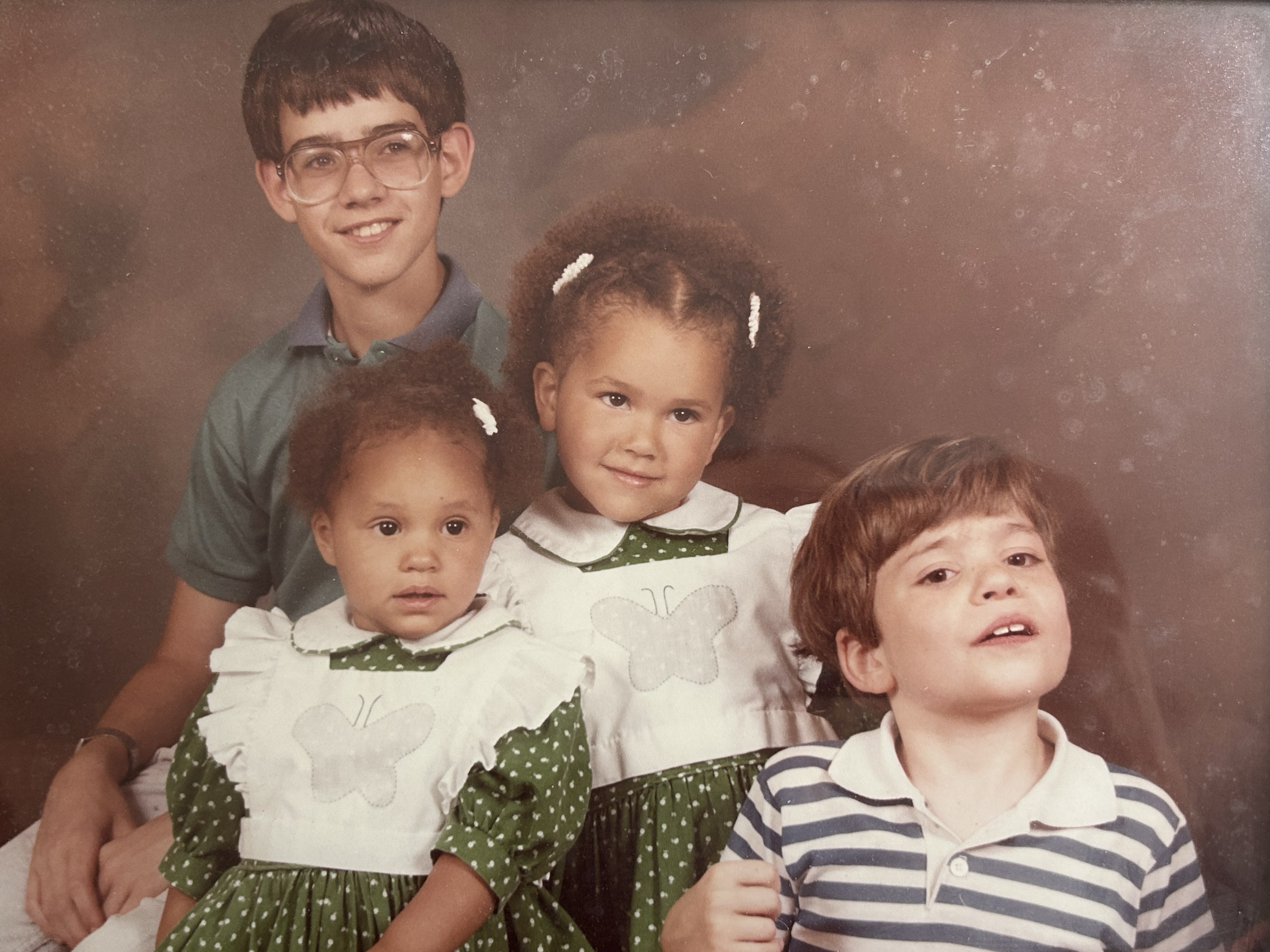
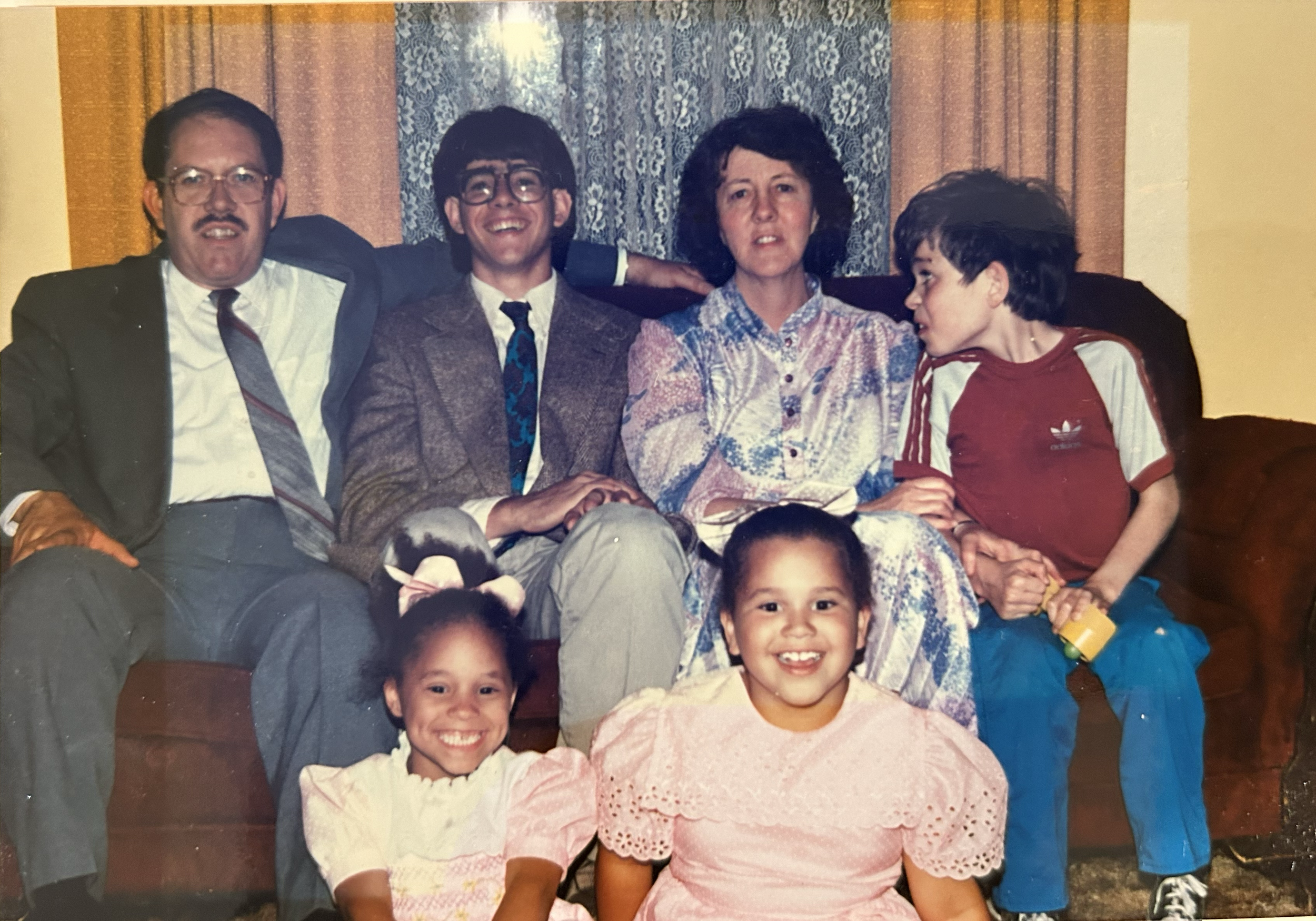
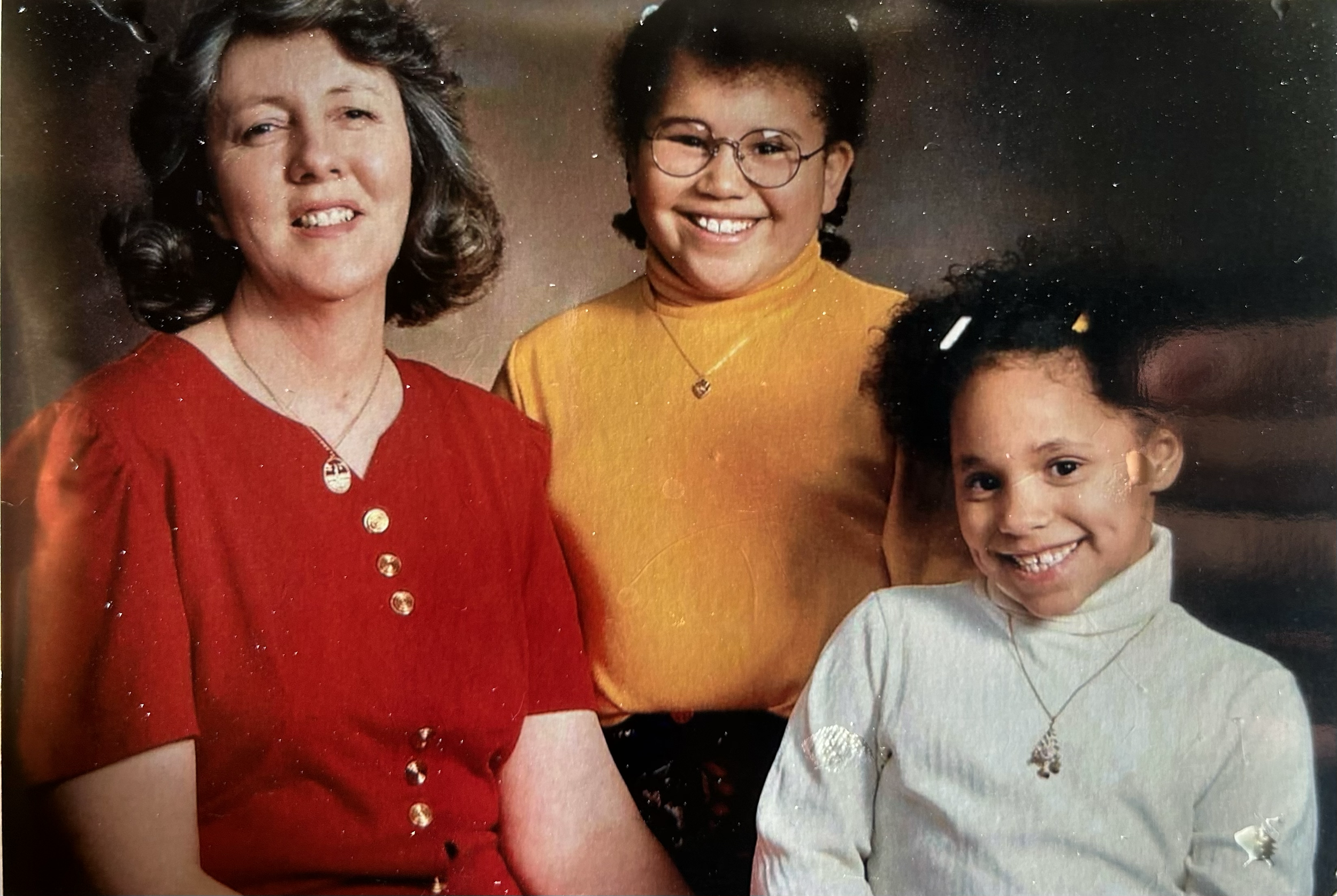
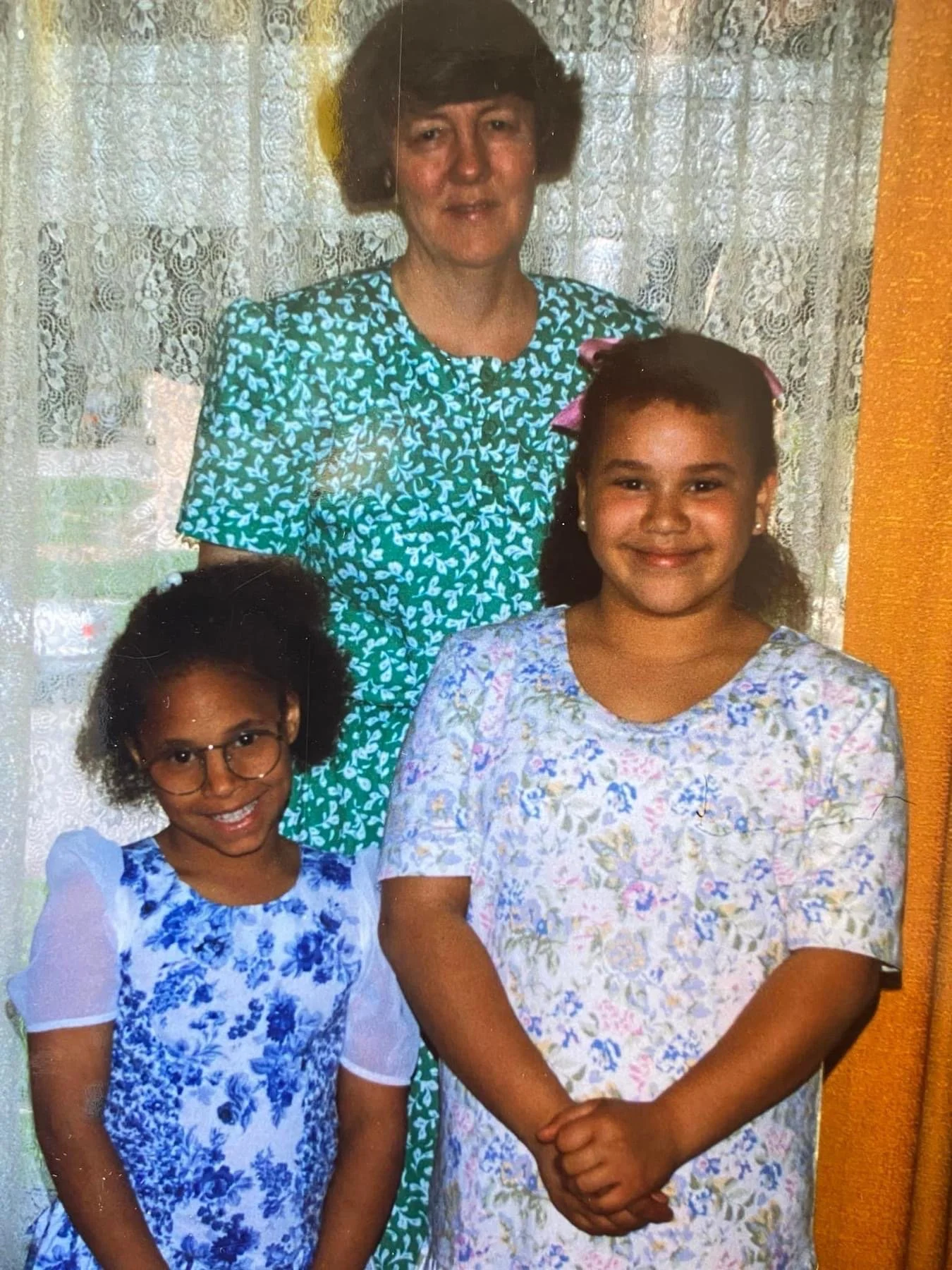
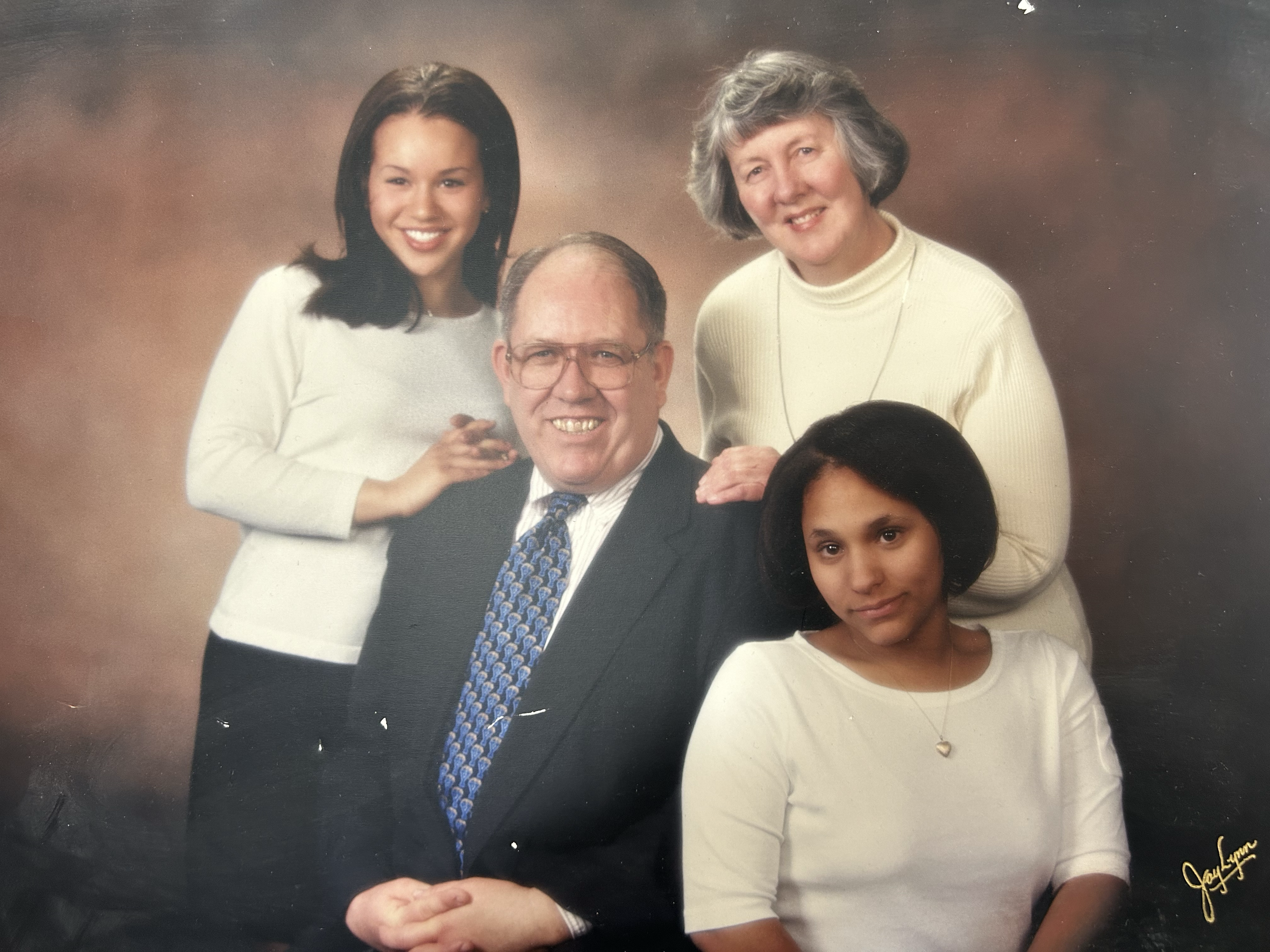
She became the third of four adopted children, two of whom are transracial adoptees, growing up in a home where adoption was not a single story, but a tapestry of many—each with its own path, its own beginning, its own layers of meaning. Adoption was not something spoken about occasionally—it was lived, shared, and unfolding in real time.
Raised by a mother deeply involved in adoption support and casework, Melanie was immersed in the adoption community from an early age. She sat in parent forums, participated in conversations around transracial adoption, and witnessed the complexities of identity, belonging, and connection as they unfolded in the lives of those around her. Her home was one of both transition and care.
Throughout her childhood, her family fostered many infants awaiting adoptive placement. Later, in the 80’s and 90’s, her parents regularly opened their home to birth mothers—women navigating circumstances that often meant they could not remain in their homes or communities during pregnancy. These women were offered not just shelter, but presence, care, and support as they faced deeply personal and life-altering decisions.
Some of those mothers placed their babies for adoption. Others, with the support of Melanie’s mother, found pathways to parent. As a child, Melanie witnessed both—the quiet anticipation of families waiting to receive a child, and the deeply human, layered, and often unspoken experiences of biological mothers. It was a rare and profound perspective—one that allowed her to see adoption not from one side, but from many.
Adoption, for Melanie, was never a single moment. It was—and is—a living, relational experience that moves through identity, attachment, connection, and the body.
Her grandmother, who played a deeply meaningful role in her life and supported her parents in adopting her, also fostered over 40 children. One of those children would later become part of Melanie’s immediate family—first as a foster placement, and then as her older brother. Their bond remains one of the closest in her life, despite a ten-year age difference—connected through daily conversations, shared history, and a relationship rooted in love, presence, and continuity.
At just 10 years old, Melanie began speaking to groups of adoptive parents at a local adoption agency, sharing her lived experience and engaging in conversations surrounding adoption and transracial identity. What began as a child offering her voice has grown into nearly 40 years of advocacy, education, and meaningful work within the adoption community.
There are elements of Melanie’s story that were, and still are, unknown. Learning how to navigate those unknowns—and how to make meaning in the absence of information—became a central part of her journey. Through this, she came to understand something deeply important: while we may not control how our stories begin, we do have the capacity to shape how they are lived, how they are held, and how they continue.
We have the capacity to live.
To connect.
To feel.
To love.
To grow—beyond what we were given, and into what is possible.
Her story is one of lived complexity—of beauty, grief, trauma, love, and meaning—all woven together. It is this depth of lived experience that continues to inform, ground, and guide her work today.
Rooted in Experience, Guided by Purpose
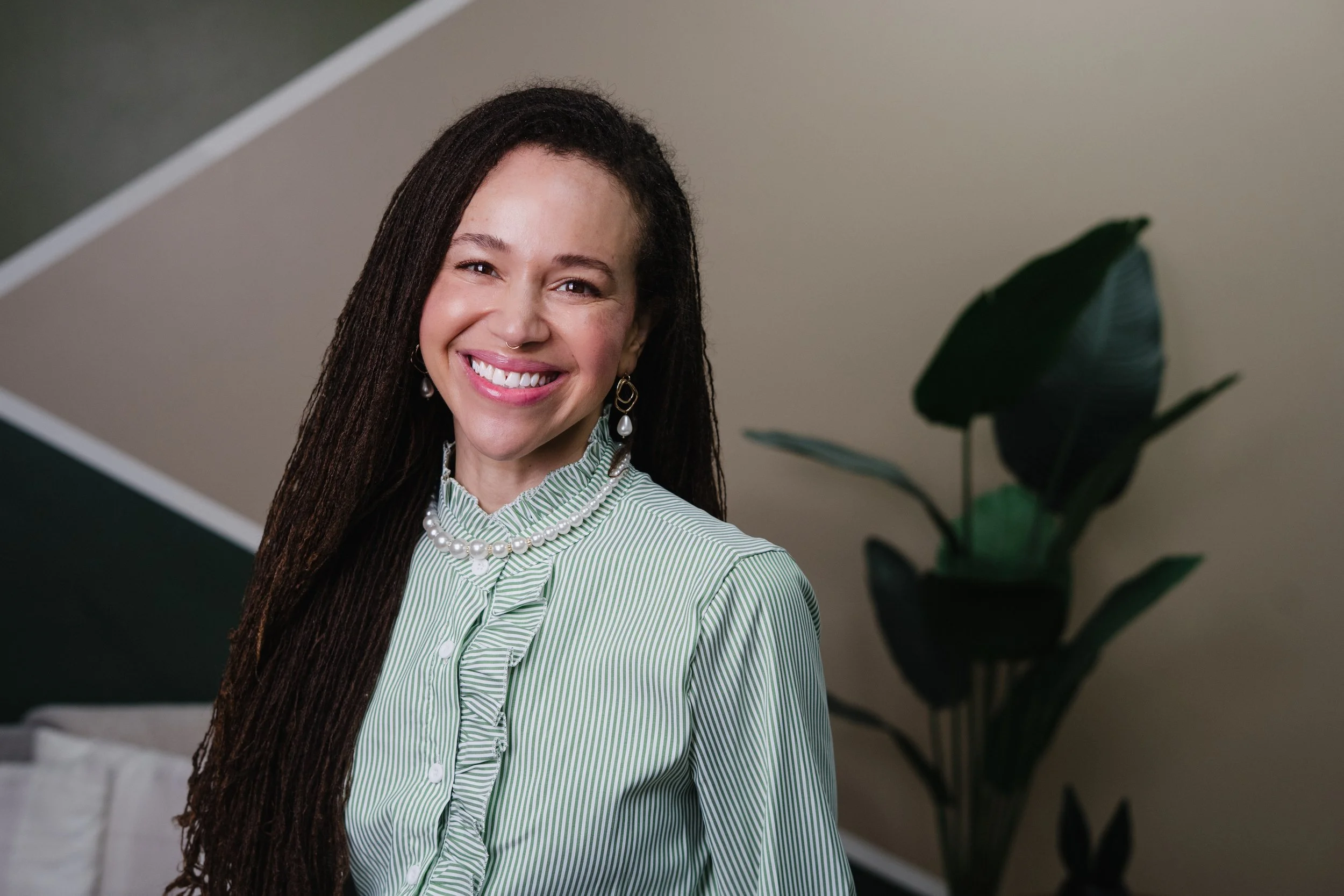
Melanie D. Davis is a Licensed Clinical Mental Health Counselor, psychotherapist, advocate, educator, and speaker specializing in trauma, attachment, depression, anxiety, and identity development. With nearly a decade of clinical experience—and a lifetime of lived experience within adoption—Melanie brings a rare and deeply integrated perspective to her work, one that bridges personal understanding, clinical expertise, and a deep commitment to community healing.
She is the founder of PLAE Therapy and owner of Planted Healing Mental Health Practice, where she works with individuals, couples, and families to support healing, connection, and emotional well-being. She is also a co-founder of Continuum Mind + Body Collaborative, an initiative rooted in holistic, integrative care that honors the full spectrum of human experience—mind, body, relationships, and environment.
Melanie’s work is deeply trauma-informed, attachment-centered, and integrative, grounded in the understanding that trauma is not only cognitive—it is biological, relational, somatic, environmental, and fully embodied. Her clinical foundation is supported by extensive post-graduate training beyond her Master’s degree, including advanced study in clinical trauma work, nutritional and holistic mental health care, somatic and body-based therapies, and integrative approaches to healing. As a multi-credentialed trauma specialist, certified somatic practitioner, integrative mental health therapist, and certified nutritional psychology provider, she approaches healing through a whole-person lens—supporting clients in reconnecting with themselves and others in ways that are meaningful, sustainable, and life-affirming.
Her clinical work focuses on helping individuals and families understand how trauma and attachment wounds shape emotional regulation, identity, relational patterns, and overall well-being. She supports clients in moving beyond patterns of survival into lives rooted in connection, authenticity, relational trust, and embodied emotional well-being.
Melanie is widely recognized for her expertise in children’s mental health, attachment, cultural identity, and transracial adoption, and is a trusted voice in both clinical and community spaces. She frequently contributes to media, education, and advocacy efforts, bringing awareness to the complex intersections of trauma, identity, belonging, and relational healing. Her therapeutic approaches have been published in Attachment-Centered Play Therapy and Play Therapy: Proven Strategies for Childhood Disorders, reflecting her contributions to the field of child and family mental health.
Melanie’s work has been widely recognized for its impact in both clinical and community spaces. She has been honored as a Utah Business Magazine Living Color Honoree (2021, 2023) and named one of Utah Business Magazine’s 30 Women to Watch (2019). Her work and voice have also been featured in Black Utah: Stories from a Thriving Community and Innovate Utah, highlighting her contributions to mental health, equity, and community-centered care.
Her work is especially informed by her lived experience as an adoptee within a transracial family, allowing her to bring depth, authenticity, and cultural awareness to her work with individuals and families navigating adoption, identity, and connection. She understands—both personally and clinically—how complex trauma and attachment experiences are woven into our sense of self, our relationships, our ambitions, and our capacity for connection.
Beyond her clinical work, Melanie’s practice is deeply rooted in community, advocacy, and a commitment to supporting marginalized populations and the many layers of intersectionality that shape lived experience. She recognizes that healing is not only individual—it is collective, relational, and systemic. Her work extends beyond the therapy room into active engagement with organizations and initiatives that expand access to care, resources, and support for underserved communities.
Melanie has partnered with, volunteered with, and contributed to organizations such as RISE Virtual Academy, Curly Me, The Black Physicians of Utah, The Food Justice Coalition, the ACLU, and Doctors Without Borders—aligning her work with efforts that promote equity, representation, access, and holistic well-being. Through this, she remains deeply committed to advocacy, inclusive care, and creating meaningful change within her community and beyond.
In addition to her clinical and advocacy work, Melanie is a former co-founder of the Black Clinicians Practitioner Group, where she supported the development of community, cultural competency, and equitable access within the mental health field.
At the heart of Melanie’s work is a deep belief: that healing is possible, that connection can be restored, and that individuals and families are capable of creating lives rooted in wholeness, meaning, and lasting emotional well-being.
She considers it an honor to walk alongside her clients as they navigate healing, reclaim their stories, and step into lives that are more connected, intentional, and fully embodied.